
When moving out of a rental property, one of the most important steps is the checkout inspection. This process can sometimes feel daunting, but understanding what landlords typically expect can make it much smoother. Let’s explore what you need to know to ensure a successful inspection and secure the return of your deposit.
What Landlords Expect During Checkout Inspection
Landlords generally want to see that the property is in the same condition as when you moved in, minus normal wear and tear. They look for cleanliness, any damage beyond normal use, and whether everything is in working order. It’s important to have a clear understanding of the original state of the property, often documented in an inventory report at the start of your tenancy. This report serves as a benchmark for the checkout inspection.
Checkout Inspection Checklist
Having a checklist can be incredibly helpful. Here’s a basic rundown of what to include:
- Cleanliness: Ensure the entire property is clean, including carpets, windows, and hard-to-reach areas.
- Repairs: Fix any minor damages you’ve caused, like nail holes or scuffed walls.
- Utilities: Confirm that all appliances and utilities are functioning properly.
- Personal Items: Remove all personal belongings and any rubbish.
- Keys and Documentation: Gather all keys and any documents provided by the landlord.
Being thorough with this checklist can prevent potential disputes and facilitate a smooth handover. For best results, consider professional end of tenancy cleaning.
End of Tenancy Inspection Requirements
Each tenancy may have specific requirements, often outlined in your lease agreement. Generally, landlords expect:
- No outstanding repairs: Address any issues that could be considered beyond normal wear and tear.
- All keys returned: This includes keys for windows, garages, and other access points.
- Final meter readings: Provide these to your utility providers and the landlord.
Understanding and meeting these requirements can ensure a hassle-free checkout process.
Landlord Cleaning Standards UK
In the UK, landlords often have high cleaning standards. While you’re not required to hire professional cleaners unless specified in your contract, the property should be left in a condition that matches its state at the start of the tenancy. This includes:
- Deep cleaning carpets: Especially if pets were present.
- Descaling kitchen and bathroom fixtures: To remove limescale and soap scum.
- Cleaning appliances: Like ovens and refrigerators.
Meeting these standards can prevent deductions from your security deposit. You can also explore our full range of cleaning services to ensure everything is covered.
Rental Property Inspection Checklist
A rental property inspection checklist is a useful tool for both landlords and tenants. Here’s what you should include:
- Walls and Paintwork: Check for marks or damage.
- Floors and Carpets: Look for stains or damage.
- Windows and Doors: Ensure they open, close, and lock properly.
- Appliances: Test all appliances to confirm they’re working.
- Garden and Outdoor Areas: If applicable, ensure these areas are tidy and free of rubbish.
Using this checklist can help you identify potential issues before the inspection.
Deposit Return Inspection
The return of your deposit largely hinges on the results of the checkout inspection. To maximize your chances of a full refund:
- Document Everything: Take photos of the property once cleaned and repaired.
- Communicate with Your Landlord: Discuss any concerns they might have during the inspection.
- Know Your Rights: Familiarize yourself with local laws regarding deposit returns.
Being proactive and informed can help safeguard your deposit.
Tenancy Checkout Cleaning Checklist
A detailed cleaning checklist can make the process less overwhelming. Consider the following:
- Kitchen: Clean all surfaces, defrost the freezer, and scrub the oven.
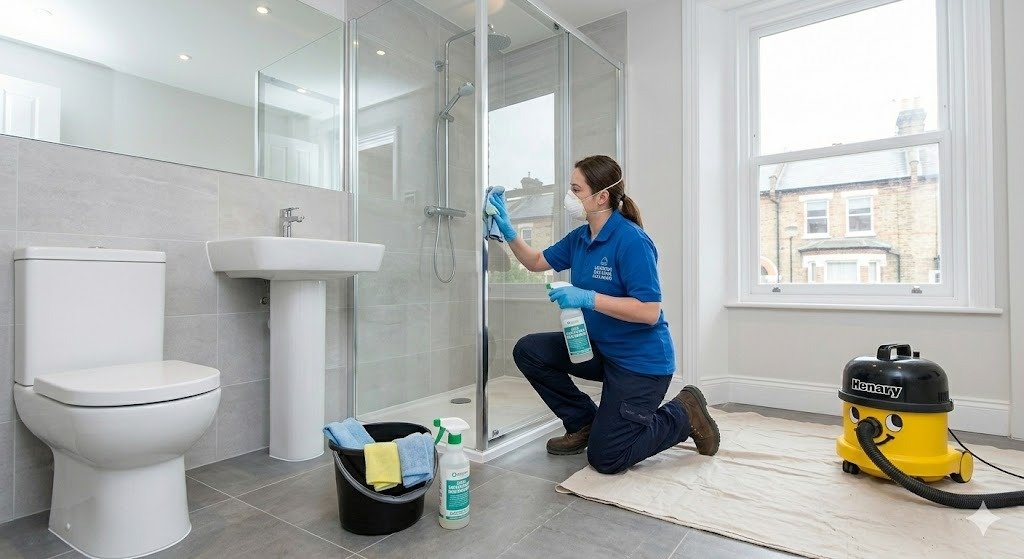
- Bathrooms: Disinfect toilets, scrub tiles, and clean mirrors.
- Living Areas: Dust all surfaces and vacuum thoroughly.
- Bedrooms: Ensure wardrobes and drawers are empty and clean.
Following a comprehensive cleaning checklist ensures nothing is overlooked. For shared properties, you may also need communal area cleaning services.
Conclusion
Navigating the checkout inspection doesn’t have to be stressful. By understanding what landlords expect and preparing accordingly, you can ensure a smooth transition and increase the likelihood of receiving your full deposit back.
If you want complete peace of mind, Klean Touch provides expert end of tenancy cleaning along with a full range of professional cleaning services. Remember, the key is to leave the property in the same condition as when you first moved in, aside from normal wear and tear. With a little preparation and attention to detail, you can move on to your next home with peace of mind.